Exhibition place:The National Museum Sultanate of Oman
Exhibition time:2018.10 - 2018.11
Silk, Tea and Celadon: Intercultural Dialogue on the Silk Road
??????? ?????? ??????: ???? ??? ???????? ?? ???? ??????
Foreword
Silk, tea and porcelain came into being in ancient China, reflecting the profound wisdom and traditional techniques of the Chinese. After years of land and sea transportation, they eventually spread all over the world, becoming “Seres”, “Celadon” and “Tea” of Western people. Many years later, the long and arduous sea and land routes were collectively referred to as ‘the Silk Road’. No one could imagine that these Chinese gifts, which symbolise the aesthetics of oriental life, take root in different regions, influence the world’s economic and cultural patterns in different historical periods, and change the life style and quality of mankind forever.
?????
??? ?????? ?????? ?????? ?? ????? ??????? ????? ?????? ??????? ????????? ????????? ??? ????????? ???? ????? ????? ?? ????? ????? ???????? ????? ?????? ?????? ?????? ?? ???? ????? ??????? ?????? ????? ????? ???????? ???? ????? ??? ??????????. ???? ??? ?????? ????? ??? ????? ?????? ???????? ?????? ???? ???? "???? ??????"? ??? ????? ?? ??? ?? ??? ??????? ??????? ???? ???? ????? ??????? ?????? ??????? ?? ????? ?? ????? ?????? ????? ??? ??????? ?????????? ????????? ?????? ??? ??? ????? ??????? ??????? ????? ?? ????? ??? ???? ?????? ????? ?????.

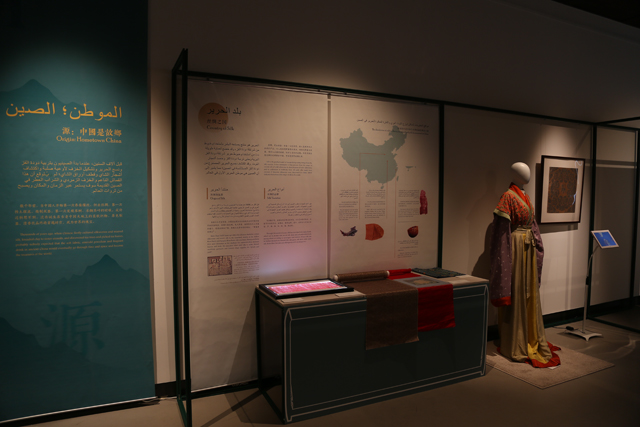
Unit 1: Origin: Hometown China
Thousands of years ago, when Chinese firstly cultured silkworms and weaved silk, kneaded clay to sinter utensils, and discovered tea trees and picked tea leaves, probably nobody expected that the soft fabric, emerald porcelain and fragrant drink in ancient China would eventually go through time and space and become the treasures of the world.
??????? ?????
??? ???? ??????? ????? ??? ???????? ?????? ???? ???? ???? ?????? ?????? ????? ?????? ???? ??????? ????? ????? ???? ????? ?????? ?? ??????? ?? ??? ?????? ?????? ?????? ??????? ??????? ????? ?? ????? ??????? ??? ????? ??? ?????? ??????? ????? ?? ????? ??????.
? Country of Silk
Silk is the product made by human beings using strings from the silk cocoons. It has undergone a long process from the usage of cocoon silk of wild silkworms to domestication of wild silkworms, and to cultivation of mulberry trees. All early silks made from cocoons of domestic silkworms were discovered in China, which indicates that China is the origin of silk in the world.
??? ??????
?????? ?? ???? ????? ????? ???????? ???? ?? ????? ???? ????? ??? ??? ?????? ????? ???? ?? ??????? ???? ???? ????? ???? ???? ?????? ???? ????? ???? ???? ???? ????? ?????. ??? ????? ???? ?????? ??????? ?? ???? ???? ????????? ?? ?????? ??? ???? ??? ?? ????? ?? ???? ?????? ????? ?? ??????.
Origin of Silk
More than 5,000 years ago when the Chinese started to culture silkworms and weave silk in the mainland, mainly in the Yellow River Basin and Yangtze River Basin, silk was born. Taking mulberry trees and silkworms as the medium for communication between heaven and man, the ancestors often used silk to make shroud, sacrificial garments and funeral ritual supplies for “ghosts and gods”.
???? ??????
??? ???? ?? 5000 ??? ????? ??? ???????? ?????? ???? ???? ???? ?????? ?? ?? ????? ???????? ???? ??? ???? ????? ?????? ???? ???????? ????? ??? ??????. ???? ?? ???????? ??????? ??? ????? ????? ????? ???? ?? ????? ?????? ??? ???????? ????????? ??? ?????? ??????? ?????? ???? ??????? ????????? ??????? ??????? ???????.
○ In ancient China, silk invention was generally attributed to Leizu, the First Consort of the Yellow Emperor, who taught people how to culture silkworms.
?? ????? ???????? ??? ??? ?????? ?????? ???? ??? "????"? ???? ?????????? ?????? ????? ?????? ????? ????? ????? ????? ???? ????.
○ Half a silk cocoon unearthed at the Yangshao Culture Site in Xiyin Village, Xiaxian County, Shanxi Province in 1926 CE empirically proves the utilization of silk cocoons by human beings.
???? ?????? ??? ????? ???? ?? ?????? ?? ???? ????? ????-??? ????? ???? ?? ????? ???? ?????? ??????? ????? ??? 1926? ??????? ????? ?????? ???? ????.
○ The domestic silkworm threads, silk ribbons and silk pieces discovered at the Qianshanyang Site (2200 BCE) in Huzhou City, Zhejiang Province in 1958 CE empirically prove that silk appeared in the Yangtze River Basin.
???? ?????? ???? ???? ???? ???? ????????? ?????? ?????? ???? ?????? ?? ???? ?????? ??? ???? (2200?.?.) ?????? ????? ??????? ??????? ??? 1958? ??? ?????? ??? ?? ???? ??? ???????.
○ The silk fragments in an urn burial unearthed from the site at Qingtai Village (4000 BCE), Xingyang, Henan Province in 1983 CE empirically proves that silk appeared in the Yellow River Basin.
???? ?????? ????? ?????? ?? ??? ??? ????? ?????? (4000?.?.) ????????? ??????? ????? ??? 1983? ??? ?????? ??? ??? ???? ????? ??????.
Silk Varieties
Through thousands of years, silk has developed into many kinds, which can be divided into woven silk, dyed silk and embroidered silk among others according to techniques and textures. Woven silk can be further divided into damask silk, silk gauze, silk fabric, satin, spun silk, down fiber, brocade and silk tapestry with cut designs etc.
????? ??????
??? ???? ???????? ???? ?????? ??? ??? ????? ???? ??????? ??? ?????? ???????? ??????? ???????? ??????? ?????? ?????? ???? ???? ???????? ????????? ???????? ????? ????? ?????? ??????? ??? ?????? ?????? ????? ????? ????? ?????? ???????? ??????? ??????? ??????? ??????? ??????.

? State of Celadon
Celadon, one of the porcelain that was the first to be successfully sintered, is so named because of its cyan colour. China is the first country to invent porcelain, more than three thousand years before the setup of the first porcelain factory in Venice, Italy.
???? ?????????
?????????? ??? ????? ????? ?????? ???? ???? ?????? ???? ???? ????? ?????? ??????? ???? ????? ?? ??? ???? ????? ????????? ???? ??? ???? ?? ????? ???? ??? ?? ????? ??? ???? ??? ?? ???????? ????????.
Origin of Celadon
From about the Xia and Shang Dynasties, the proto-celadon appeared at the Dongtiaoxi Basin, Zhejiang Province in South China. In the middle and late Eastern Han Dynasty, mature celadon was firstly sintered in the middle reach of the Cao’s River.
Celadon varieties
Through the long years, different factions and kilns of Chinese celadon have been developed, with unique style in glazes and shapes. The most famous kilns include Yue Kiln, Yaozhou Kiln, Ru Kiln, Jun Kiln, Southern Song Dynasty Guan Kiln, Longquan Kiln etc., among which Longquan Kiln reached the peak in celadon technology.
????? ?????????
???? ????? ?????? ????? ????? ?????? ?? ????? ????????? ?????? ?????? ????? ?????? ?????? ????? ??? ??????? ??? ???? ???? ??????? ???? ??? ???? ???? ???? ???? ????? ???? ???????? ????? ??? ???? ?????? ?????????.
□Yue Kiln
Yue Kiln got prospered in the Tang and Song Dynasties, with the sites being distributed mainly in Shanglin Lake, Cixi City, Zhejiang Province, Yaosiqian Site of Shangyu, Dongqian Lake in Ningbo, etc. Products out of Yue kilns are antique, quiet and tasteful in color and have jade-like texture, among which the “secret color porcelain” is the most famous.
??? ????? ??? ??? ???? ???? ????? ???? ????? ?????? ??? ????? ???????? ?????? ?????? ??????? ???????? ????? ??? ?? ???? ???????? ?????? ???????? ??????. ???? ?????? ????? ??? ????? ?????? ????? ???????? ????? ???? ????????? ???? "????? ?? ????? ?????" ???? ???????.
□Yaozhou Kiln
Yaozhou Kiln appeared in the Tang Dynasty and got prospered in the Song Dynasty. The kiln site was located in Huangbao Town, Tongchuan City, Shaanxi Province, where unique and featured celadon with carved design and printed flower abound in. Yaozhou Kiln is the representative of northern celadon.
???? ????? ?????? ???? ???? ????? ???? ??????? ?? ???? ????? ????? ???? ???? ????? ?? ???? ???????? ?????? ????????? ??????? ???? ??? ??? ????????? ?? ???????? ???????? ???????? ????????? ???? ??? ?????? ???? ????????? ??????.
□ Ru Kiln
Ru Kiln is the most famous celadon kiln site in the late Northern Song Dynasty. Precious agate was added to the glaze of Ru Kiln celadon; pure azure is the predominant colour; the glaze fluid is thick, smooth and bright, and the shape is antique and elegant.
??? ??
??? ??? ?? ???? ????? ????? ????????? ?? ????? ???? ????? ???? ????????? ??? ?????? ??? ?????? ?? ????? ????? ??????? ??? ?? ?????? ????? ?????????? ????? ??????? ???? ????? ?????? ?????? ???? ?????.
□Southern Song Dynasty Guan Kiln
When the South Song Dynasty founded its capital in Lin’an (now called Hangzhou), Department of Palace Supply Kiln and Altar of Heaven Kiln were established to specially produce royal utensils, which were therefore called the “Southern Song Dynasty Guan Kiln”. This Klin is unique in the light greenish blue glaze colour and the shape, famous for the crackles, and its products are solemn and elegant as jade.
??? ???? ?????? ???? ????????
????? ???? ????? ???? ???????? ??????? ?? ????? (??????? ?????)? ?? ????? ????? ??? ????? ????? ???? ???? ???????? ????? ?????? ????? ?????? ???? ??? ?????? "??? ???? ?????? ???? ????????"? ?????? ??? ????? ?????? ??? ???? ?? ??? ????-???? ????? ??? ????? ???????? ??????? ??????? ???????? ???? ????? ?????.
□ Longquan Kiln
As a masterpiece of celadon technology in ancient China, Longquan Kiln is featured by the longest sintering time, the widest distribution, and the largest production scale and its products were sold in the widest areas. The product is of simple, unsophisticated and demure shape and in gentle glaze colour. Among others, the light greenish blue and plum green ones are the most charming.
??? ????????
???? ??? ???????? ???? ????? ????????? ?? ????? ???????? ????? ???????? ??????? ???? ?? ????? ?????? ?? ???? ????? ???? ????? ???? ????? ????? ????? ???? ??????? ?????? ?????? ?????? ???????.

? Hometown of Tea
Tea ranks first among the seven plants that change the world. Tea trees are planted in over 60 countries and about 2 billion people drink tea in over 150 countries. China is the first country to discover and utilize tea; and it has been proved that all varieties of tea, and tea culture, in the world were spread directly or indirectly from China.
???? ?????
??? ????? ?? ??? ??? ??? ?????? ???? ??????? ????? ????? ????? ?? ??? 60 ???? ?????? ????? ?????? ??? ?? ???? ?? 150 ????? ???? ????? ??? ???? ?????? ???????? ????? ??? ?????? ????? ????? ?? ?????? ???? ????? ?? ??? ????? ?? ???? ?????.
Origin of Tea
Tea was discovered and utilized in ancient times. So far, over 200 places of ancient tea trees have been found in 10 provinces in China. Among them, the big tea tree on Ailao Mountain in Yunnan is the oldest wild tea tree found so far. It can be seen that tea trees originated from the mountainous areas in southwest China, and that China is the hometown of tea.
??? ?????
????? ??? ???? ???? ?? 200 ???? ?????? ????? ??????? ?? 10 ??????? ??????? ??? ????? ???? ??? ???? ?? ??? ????? ?????? ????? ??? ???? ???? ??? ????? ??? ????? ??? ???? ?? ???? ???? ????? ???? ??? ?????? ?? ???? ??? ????? ??? ????? ?? ???? ????? ??????.
Six Major Tea Categories
????? ????? ????? ????????
Over several thousand years of production, the Chinese tea growers have accumulated rich experience in picking and making tea, resulting in a variety of famous tea. Chinese tea can be divided into six major categories according to the making methods, namely green tea, black tea, oolong tea (cyan tea), yellow tea, white tea and dark tea.
??? ??? ???? ??????? ?? ???????? ????? ?????? ????? ???????? ???? ????? ?? ??? ????? ????? ??? ??? ??? ???? ????? ??? ?? ????? ??????? ????? ????? ????? ?????? ??? ??? ????? ?????? ???? ?????? ????? ???: ????? ??????? ?????? ??????? ???? ????????? ?????? ??????? ?????? ?????? ?????? ??????.
○Green tea: The output and varieties of Chinese green tea rank the first around the world. It is a kind of non-fermented tea, featured by clear soup and green leaves after brewing. There are typical green tea types such as Hangzhou West Lake Longjing tea, Biluochun Tea from Jiangsu Province, Huangshan Maofeng tea from Anhui Province, and Xinyang Maojian tea from Henan Province.
????? ??????:
??? ????? ????? ?????? ?????? ???? ??????? ??? ????? ??????? ?? ???? ??? ?????? ????? ???? ???? ?????? ????? ??? ???????. ??? ???? ????? ?????? ???????? ??? ???? ???? ?? ??? ????? ???????? ???? ?? ??? ?? ?? ?????? ???????? ???? ???????? ??????? ?? ?????? ?????? ???? ??????? ?? ?????? ?????.
○B(yǎng)lack tea: Black tea is a fully fermented tea, with the highest output and sales volume around the world. The Chinese black tea is divided into Souchong, Congou and broken black tea based on their manufacture method and quality.
????? ??????: ??? ??? ????? ?????? ??? ?????? ?????? ??? ??????? ????? ????? ?????? ?????? ??? ??????? ??????? ?????? ?????? ?????? ???? ????? ?????? ????? ???????.
○Oolong tea: As a special kind of Chinese tea, it has strong flower and fruit aromas. The representative products include Fujian Wuyi rock tea, Anxi Tieguanyin tea, Guangdong Fenghuang Dancong and Taiwan Pouchong tea.
??? ??????:
??? ??? ?? ????? ??????? ??????? ?????? ????? ?????? ?????? ?????? ??? ??? ?????? ????? ???? ????? ?????????? ???? ???????? ???????? ???????? ???? ?????? ??????.
○Yellow tea: Based on the tenderness and sizes of raw materials, the yellow tea can be divided into yellow bud tea, small yellow tea and large yellow tea. Junshan Yinzhen is the representative from Yueyang in Hunan province.
????? ??????: ???? ????? ????? ?????? ??? ?????? ???? ?????? ??? ??? ???????? ?????? ??????? ?????? ??????? ????? ??? ?????? ????? ??? ??????? ??????? ?????.
○White tea: No frying or rolling is required for processing white tea. As a slightly fermented tea, it is fully covered with white fuzz. The infusion is bright yellow, fresh and mellow. There are Baihao Yinzhen, Baimudan, Shoumei, Gongmei as famous products.
????? ??????: ???? ????? ?????? ??? ?????? ??? ????? ?? ???????? ??? ??? ???? ?????? ?????? ??? ????? ??? ???? ?????? ????? ?????? ?????????? ??????? ????????.
○Dark tea: As a special kind of Chinese tea, it is produced mainly in Hunan, Yunnan, Sichuan, Hubei, Guangxi, etc. The re-processed tea, including scented tea, compressed tea, etc., is made from various kinds of primary tea or refined tea.
????? ??????: ??? ??? ??? ?? ????? ?????? ????? ???? ??? ?? ?????? ??????? ????????? ?????? ???????. ????? ????? ??????? ???????? ????? ?? ????? ??????? ?? ??????.
Unit 2: Road: Transmission and Communication
Silk, tea and porcelain were spread to all parts of the world along the Land Silk Road or the Maritime Silk Road with camel bells or sails. This is not only the Silk Road, but also the Porcelain Road and the Tea Road.
??????: ????? ????????
????? ?????? ?????? ?????? ??? ???? ????? ?????? ??? ????? ?????? ????? ??????? ?????? ?? ????? ?????? ??????. ??? ????? ???? ??? ?????? ??? ???? ??????? ?? ???? ?????? ???? ????? ????? ?????.
The Silk Road
The Silk Road was put forward by a German geologist Baron Ferdinand von Richthofen in 1877. Narrowly speaking, it specially refers to the vital communication line between the ancient Greece in Europe and oriental China, leading to Seres. Broadly speaking, the Silk Road is collectively referred to the commercial trade and cultural exchange lines which have been formed gradually since the ancient times, are mainly oriented toward the communication between the East and the West, are widely distributed in the Eurasia even some areas of Africa, including the Silk Road of Prairie that got flourishing about the 9th to 3th Century BCE, the Silk Road of Desert Oasis that reached the peak between the Han and Tang Dynasties, Maritime Silk Road that had been playing an important role after the Song and Yuan Dynasties, etc. At the meeting of the 38th World Heritage Committee held in Doha on June 22, 2014 CE, the “Silk Road: Chang’an-Tianshan Corridor” jointly declared by three countries,namely China, Kazakhstan and Kyrgyzstan, was listed as a world heritage by the UNESCO.
???? ??????
?? ??? 1877?? ???? ???????? ???????? ??????? ???????? ??? ???????? ???? ???? ?????? ??? ????? ??????? ??????? ??? ??????? ??????? ?? ?????? ?????? ???????. ????? ???? ???? ???? ?????? ??? ???? ??????? ??????? ???????? ???? ??? ??????? ??? ?????? ???????? ???? ??????? ??? ????? ??????. ????? ???? ?????? ?????? ?? ??????? ???? ??????? ?? ??????? ??? ???? ??????? ???? ?????? ??? ??????? ?????? ??????? ??? ???????. ????? ?????? ???????? ???? ???? ??????? ???? ???? ??????? ?? ???? ??? ???????? ??? ?????. ????? ?????? ?????? ???? ??? ???? ???? ??? ?????? ???? ? ???? ?????????. ??? ?????? ???? ?????? ??????? ?????? ????????? ?????? ?? ?????? ?? 22 ????? 2014?? ??? ????? "???? ??????: ??? ????? ???????" ????????? ?? ????? ?????????? ?????????? ???? ????? ???? ?????? ??? ????? ?????? ??????? ????????.
Interactive Exhibition Map: Silk, Tea and Porcelain on the Silk Road
Silk of the Silk Road;
Porcelain of the Silk Road;
Tea of the Silk Road;
????? ?????? ????????? : ?????? ?????? ?????? ??? ???? ??????
o ??????
o ?????
o ?????

Unit 3: Technique: Techniques and Presentation
Silk, tea and porcelain, as the representatives of Chinese traditional handicrafts, coagulate the ingenuity and wisdom of generations of Chinese craftsmen. With the buzzing loom, the weaver handles with thousands of threads. With the blazing kiln fire, in eyes of kiln workers, there are green porcelains. With tender buds in the pot, tea makers retain the fragrance of tea...
???????? ???????
???? ????? ??????? ?????? ???????? ????????? ???????? ????? ???? ??????? ??????? ????????? ??? ???????? ??? ????? ?????? ???? ?????? ???? ??????? ?????? ???? ????? ?????? ?? ??????? ???????? ?? ???? ????????? ????? ????? ????? ?? ??????? ???? ???? ????? ?? ???? ?? ????.
Buzzing Looms
It is a long time to wait for the completion of a silk product, from mulberry planting, silkworm egg cultivating, silkworm breeding and cocoon storing to the formation and making of silk threads, the production of products with various tissues and textures with various looms, dyeing,etc.
Illustrations of Sericulture and Weaving in South Song Dynasty illustrates the whole sericulture and silk making process.
????? ??????
???? ???????? ???????? ????? ????? ??? ?????? ????? ???? ????? ?? ???? ???? ???? ???? ??????? ?????? ????? ????? ?????? ???? ???? ??? ????? ???? ????? ?????? ?????? ??? ???????.
???? ???? ??? ???? ???? ?? ???? ????? ???? ???? ????? ???? ???? ??????? ?????? ??? ??????

? Blazing Kiln Fire
In the long-term inheritance process, unique sintering techniques of Longquan celadon were formed, which are different from those of porcelains of other colours. Longquan Celadon is of unique features in terms of selection of raw materials, glaze preparation, modelling and kiln temperature control.
????? ??????? ????????
?? ????? ????? ????? ????? ??? ????? ??????? ?????? ?????? ????? ?????? ???? ????? ???????? ????? ????? ????? ?? ????? ?????? ?????? ????????? ??????? ????? ????? ???????? ?????? ???????? ????????? ???????? ?? ??? ?????? ?????? ????? ?????? ???????? ???????? ??????? ?? ???? ????? ?????.

Unit 4: Utensil: Perfect Art Works
The beautiful silk, gentle celadon and elegant tea drink make up the life of ancient Chinese literati. The utensils extend unique oriental temperament and life aesthetics, which are the poetry of calligraphy and painting, the leisure in daily life, the generousness to cook tea, heat wine and listen to music and the meditative mind with a burning incense and meditation for a moment...
??????: ????? ????? ???????
?? ?????? ?????? ?????? ?????? ????? ????? ?????? ?????? ???? ??????? ???????? ???????? ????? ??????? ??????? ?? ????? ????? ????? ??????? ?? ??????? ?????? ?????? ??? ???? ??????? ???????? ?????? ????? ?????? ?????? ???????? ???????? ?? ??? ?????? ??????? ?? ??????? ???? ???? ????? ????? ?? ?????? ?????.


Unit 5: Harmony: Delicate Life
China’s silk, tea and porcelain originated from the ancient times, but they have integrated ancient and modern elements, have been in harmony with life, and have fitted into the world through thousands of years of inheritance and development. At present, they are still vigorous.
????????: ?????? ???????
?????? ??????? ?????? ??????? ?????? ?????? ?? ?????? ???????? ????? ???? ?? ??????? ??? ??????? ????????? ????? ??????? ?? ?????? ?????? ??????? ?? ?????? ?? ???? ???? ?????? ?? ??????? ????????? ???? ????? ?????? ??? ?? ???? ???? ?????? ????.

 Pay attention to us
×
Pay attention to us
×